Additional Education
Feeder
Crickets
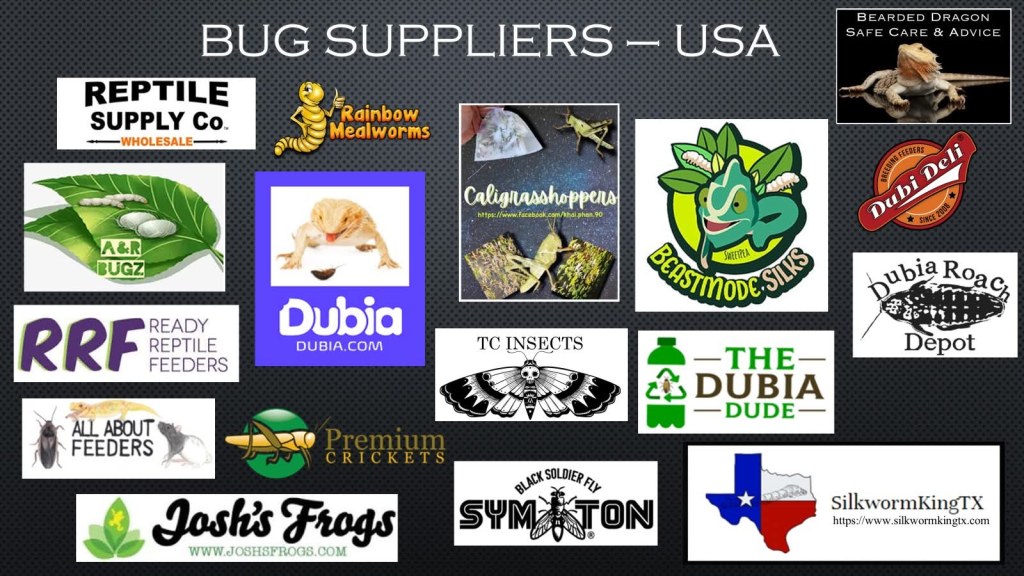
Crickets are one of the most common feeder insects used for reptiles and amphibians. They are widely available and provide good protein, but they should be gut-loaded before feeding to increase their nutritional value. Uneaten crickets should be removed from enclosures to prevent stress or injury to pets.
Dairy Cow Isopod
“Dairy cows” are a type of isopod commonly used in bioactive enclosures. They are not insects, but small crustaceans that help break down waste and improve enclosure cleanliness. In bioactive setups, they play an important role in maintaining a natural ecosystem. Some reptiles and amphibians may occasionally consume them, but their main purpose is cleanup rather than being a primary feeder item.
Dubia Roaches
Dubia roaches are one of the best feeder insects for reptiles because they are highly nutritious, easy to digest, and do not climb smooth surfaces or smell strongly. They are often used as a staple feeder for animals like bearded dragons and leopard geckos. Like other feeder insects, they should be fed a healthy diet before being offered to pets to improve their nutritional value. Not allowed in certain states, but you can use a similar feeder called discord roaches.
Additonal Information


Difficulty Comparisons- my thoughts
In my opinion, my cats are the easiest animals to care for, followed by my leopard geckos. While all pets require daily care and attention, cats and leopard geckos have routines that are generally easier for me to maintain.
My bearded dragon and salamanders are the most challenging animals in my mini zoo. My salamanders require careful monitoring to keep their habitat properly moist, since amphibians depend on humidity for their health and well-being. Maintaining the correct moisture levels and habitat conditions takes regular attention.
My bearded dragon also has special care requirements because her eyesight was affected by poor husbandry before she came into my care. To keep her safe, I have had to make adjustments to her enclosure that differ from a typical bearded dragon habitat. These changes help prevent falls and make it easier for her to navigate her environment safely. Because of these additional needs, her care requires extra planning and observation.
When cost is considered, I would say that my leopard geckos and bearded dragon are the most expensive animals to care for. Reptiles often have significant startup costs because they require specialized habitats, heating equipment, lighting, hides, and other supplies before they can be brought home. Veterinary care can also be more expensive because reptiles typically need to see veterinarians who specialize in exotic animals. While the ongoing costs may vary, the initial setup and potential vet bills make reptiles some of the most expensive members of my mini zoo.
Every animal is different, and the difficulty of care can vary depending on an individual pet’s needs, health, and personality. Before choosing a pet, it is important to research its care requirements and make sure you can provide the time, space, and resources it needs to thrive.
If I had to rank them:
1. Cats
2. Leopard Geckos
3. Salamanders
4. Bearded Dragon
Choosing the Right Pet for Beginners
Difficulty Comparisons
Some animals are easier for beginners than others. For example, leopard geckos and cats are generally more beginner-friendly, while salamanders and bearded dragons require more specific environmental conditions. Understanding difficulty levels helps prevent improper care and improves long-term success.
Habitat Requirements
Each species has unique habitat needs. Reptiles need controlled heat and lighting, amphibians need high humidity, and mammals like cats need safe indoor spaces with enrichment. Proper habitat setup is essential for animal health and comfort.
Time Commitment
All pets require daily attention, but some need more time than others. Cats require feeding, grooming, and interaction, while reptiles require monitoring of temperature, humidity, and feeding schedules. Potential owners should consider how much time they can realistically dedicate each day.
Recommendations for First-Time Owners
First-time pet owners should choose animals that match their experience level and available time. Research is essential before bringing any animal home. Starting with beginner-friendly species and learning proper care techniques helps ensure a positive experience for both the owner and the pet.
Kalamazoo Reptile Expo
The Kalamazoo Reptile Expo is a popular event for reptile enthusiasts, exotic pet owners, and families interested in learning more about reptiles and other unique animals. Held at the Kalamazoo County Expo Center, the expo features a wide variety of reptiles, amphibians, invertebrates, feeder insects, enclosure supplies, and pet care products from numerous vendors and breeders. Visitors can see animals up close, learn about proper care requirements, and speak directly with experienced keepers and breeders. The event also offers an opportunity to purchase supplies such as terrariums, heating equipment, substrate, feeders, and décor for reptile habitats. The expo is a great resource for both beginners and experienced keepers who want to expand their knowledge of responsible reptile ownership.
My Experience
As someone interested in reptiles and exotic animal care, I enjoy attending reptile expos because they provide a chance to learn from experienced keepers, compare different habitat setups, and see a variety of species in one location. Events like the Kalamazoo Reptile Expo help promote education and responsible pet ownership while connecting hobbyists with reputable breeders and vendors.
Goshen Reptile Expo
The Goshen Reptile Expo is a monthly reptile and exotic animal event held at the Elkhart County 4-H Fairgrounds in Goshen, Indiana. The expo brings together reptile breeders, hobbyists, and vendors offering reptiles, amphibians, invertebrates, feeder insects, enclosures, and habitat supplies. It is a popular destination for both experienced keepers and people interested in learning more about exotic pets.
What You Can Find
Reptiles including snakes, geckos, bearded dragons, and other lizards
Amphibians and invertebrates
Feeder insects such as crickets, mealworms, hornworms, and silkworms
Live and frozen rodent feeders
Terrariums, tanks, heating equipment, lighting, substrate, and décor
Advice from experienced breeders and keepers
Family-friendly educational opportunities about exotic animal care and responsible ownership

 Mini Zoo Life