Salamander’s Care & Education
Habitat Setup
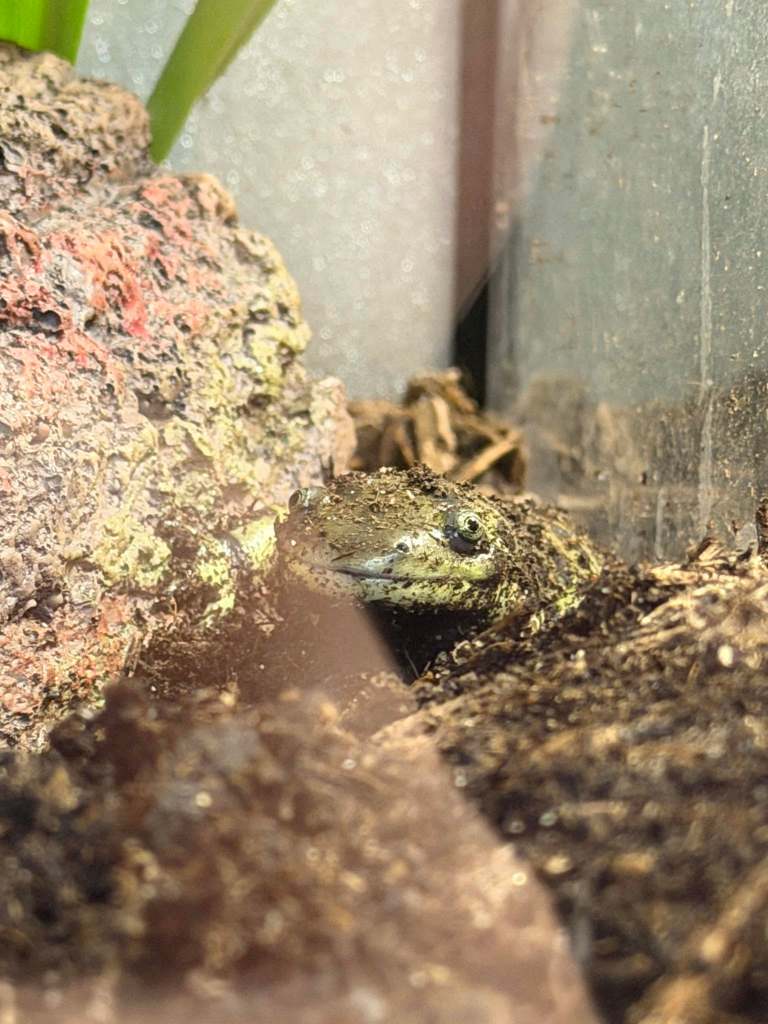
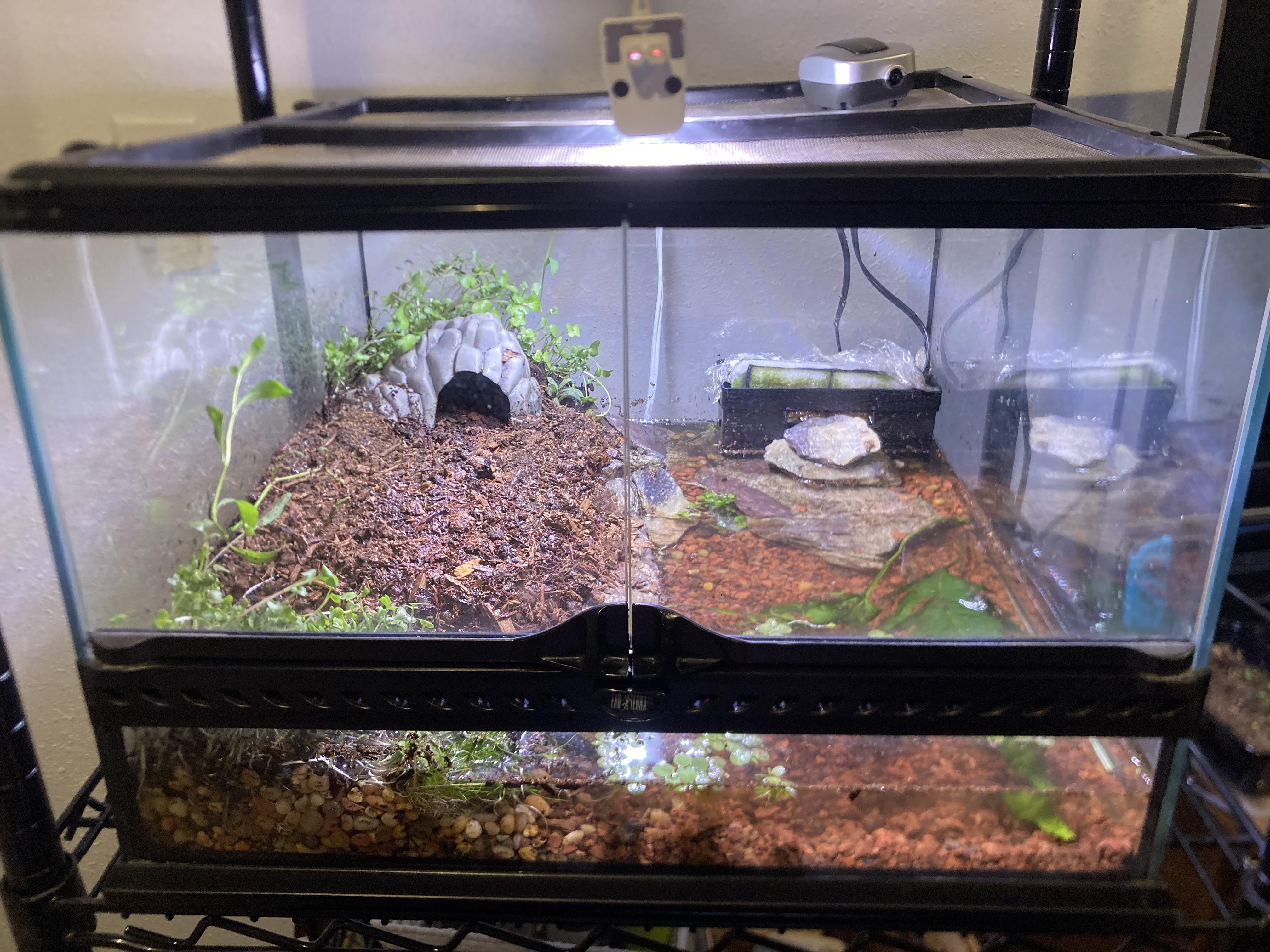
Tiger salamanders need a secure enclosure with plenty of floor space and a deep layer of substrate for burrowing. A mixture of organic topsoil and other safe substrates can help create a natural environment. Hides, cork bark, and other decorations should be provided so salamanders can feel secure.
Because salamanders spend much of their time underground, providing opportunities to burrow is one of the most important parts of their care.
Feeding
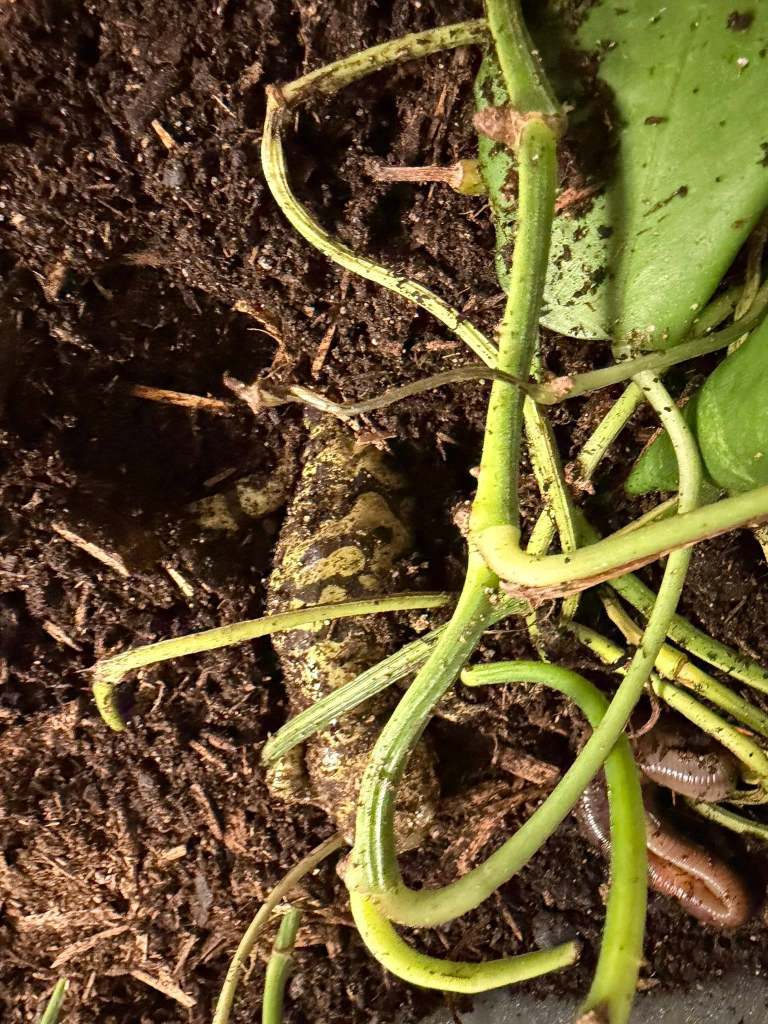
Tiger salamanders are carnivores and eat a variety of insects and other invertebrates. Common food items include earthworms, red worms, crickets, and other appropriately sized prey. Earthworms are often considered one of the best staple foods because they are nutritious and easy to digest.
Food should be offered regularly, and uneaten prey should be removed from the enclosure when necessary.
Humidity and Water
Salamanders require a humid environment because their skin must remain moist. The enclosure should be monitored regularly to ensure humidity levels stay appropriate. A shallow water dish with clean, dechlorinated water should always be available.
Proper humidity is essential for healthy shedding, hydration, and overall well-being.
Handling
Salamanders should be handled as little as possible. Their skin is sensitive and can absorb oils, chemicals, and contaminants from human hands. If handling is necessary, hands should be clean and free of lotions, soaps, or chemicals. It is best to wear gloves.
Observing salamanders in their enclosure is generally the best way to enjoy them while minimizing stress.
Housing Multiple Salamanders
Tiger salamanders can sometimes be housed together if they are provided with a large enclosure and closely monitored. For multiple salamanders, a habitat of at least 40 gallons or larger is recommended to provide enough space for each animal to establish its own hiding spots and territory.
It is important that salamanders living together are similar in size. Significant size differences can increase the risk of one salamander injuring or attempting to eat a smaller tank mate. Even when salamanders are similar in size, owners should regularly watch for signs of excessive aggression, competition for food, or competition for hiding spaces. Each salamander should have access to multiple hides and enough room to move around comfortably.
If bullying, injuries, weight loss, or food competition become noticeable, the salamanders should be separated immediately. Careful observation is important to ensure that all animals remain healthy and stress-free when housed together.
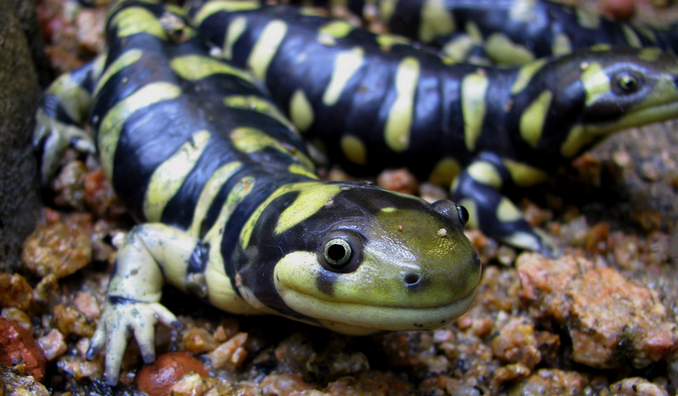
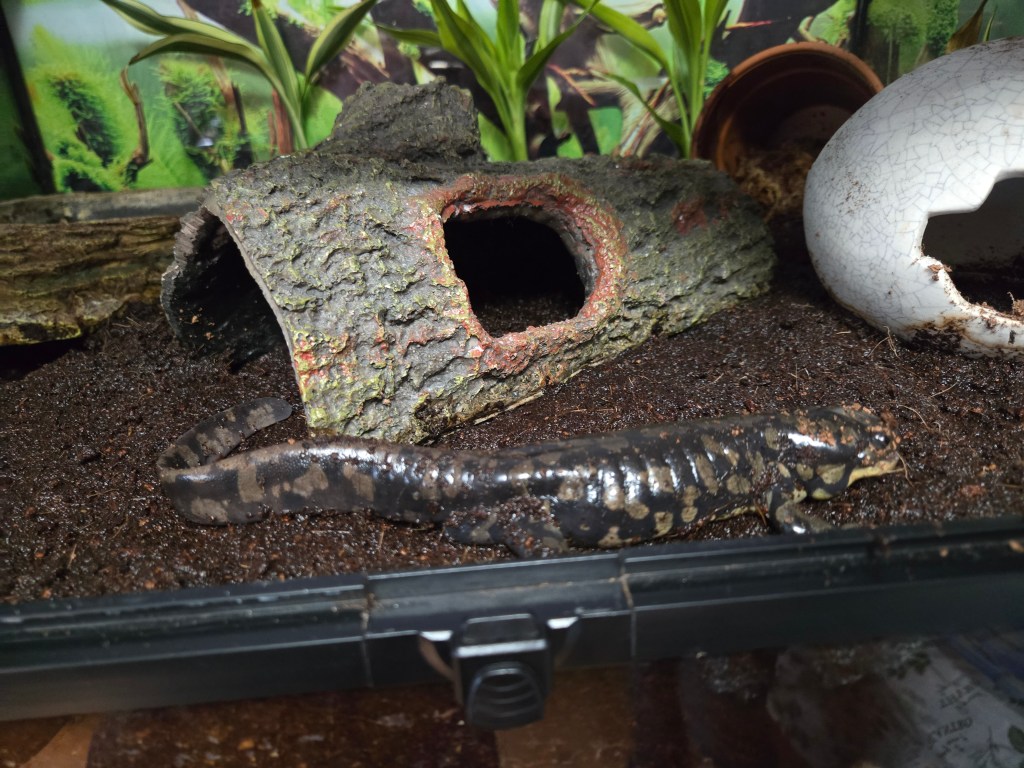
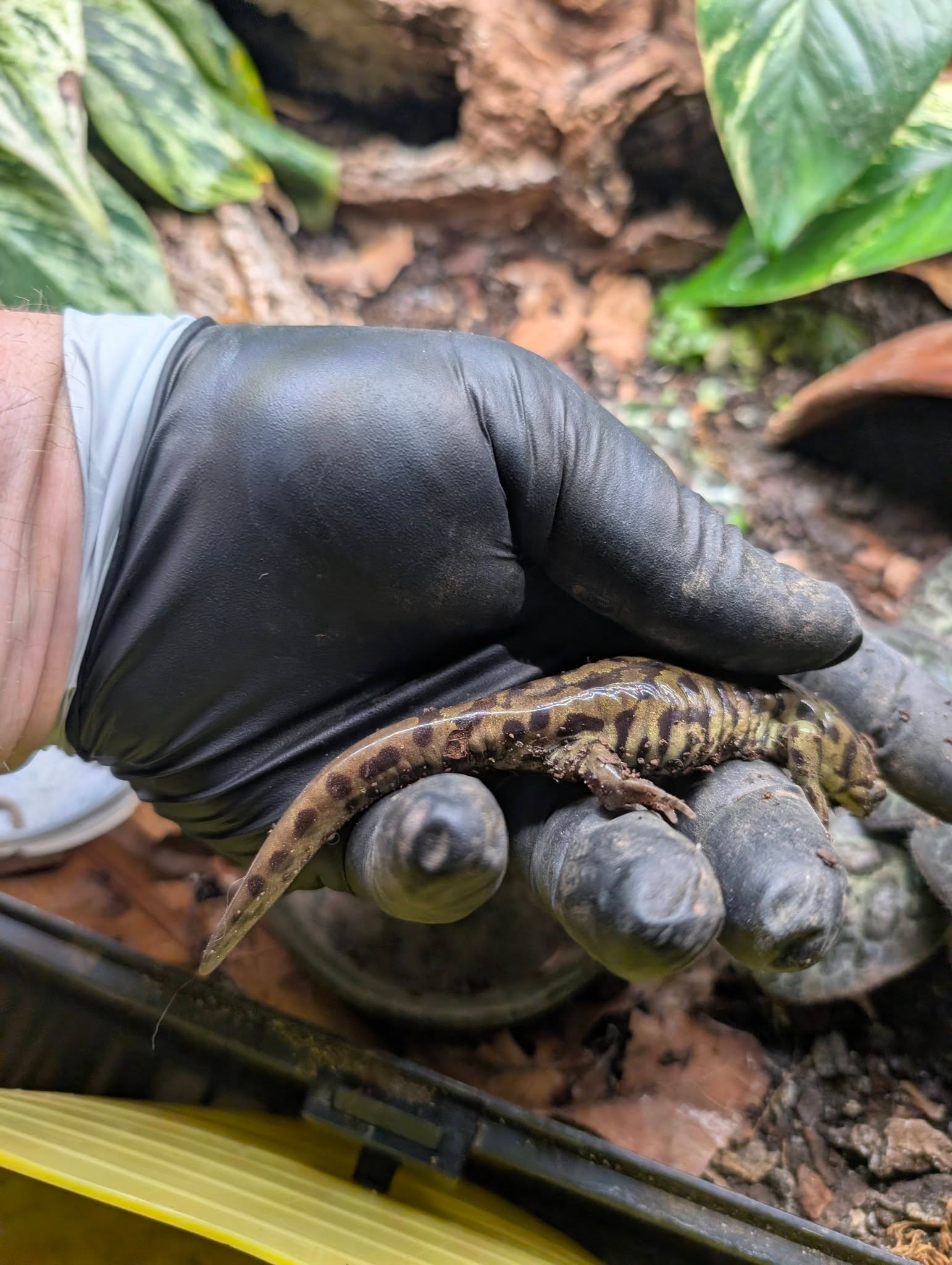
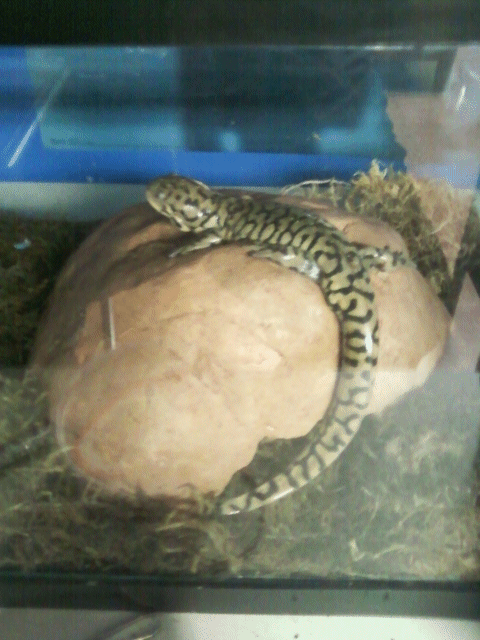
The Newts and Salamanders Facebook Group is an online community for amphibian enthusiasts. Members share care tips, habitat ideas, photos, and advice about keeping newts and salamanders. It is a great resource for learning about responsible amphibian care and connecting with other keepers.
Newts and Salamanders Facebook Group
 Mini Zoo Life